

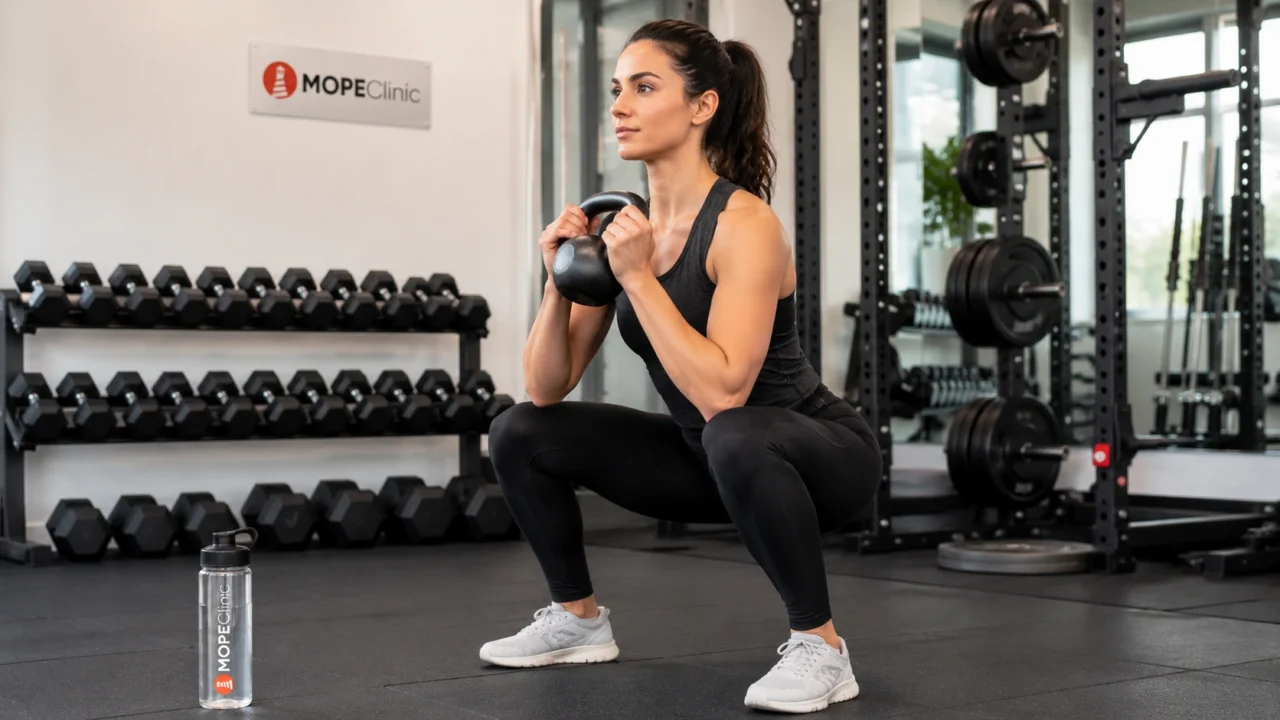
Weight Training for Women: Why Lifting Will Not Make You Bulky
Weight training for women is one of the best ways to build strength, support metabolism, protect bone health, and feel more capable in everyday life. Yet many women in Metairie, New Orleans, and across South Louisiana still avoid lifting because they are afraid they will get “bulky.”
That fear is understandable. However, lifting weights is not the same thing as training to become a bodybuilder. For most women, strength training supports a stronger, leaner, more functional body—not a sudden bulky appearance.
The Problem: Why Many Women Avoid Weight Training
For years, women were told to stick with light weights, endless cardio, and workouts designed only to make them smaller. Then social media made the myth even louder. Women see physique competitors or heavily edited fitness photos and assume a few dumbbell workouts will create the same result.
That is not how the body works. Significant muscle size takes years of focused training, intentional nutrition, recovery, genetics, and a highly specific program. A few strength-training sessions each week will not turn someone into a bodybuilder.
MYTH
“If I lift weights, I am going to get bulky.”
FACT
Most women who lift consistently become stronger, improve body composition, and feel more confident without developing a bodybuilder-style physique.
Why Weight Training for Women Does Not Automatically Cause Bulk
“Bulky” is not a medical or fitness measurement. Usually, it is a concern about looking larger, thicker, or less feminine. However, strength training does not automatically create that outcome.
Women generally have much lower testosterone levels than men. Women can absolutely build muscle, but major size changes usually require progressive heavy training, higher food intake, long-term consistency, recovery, and individual genetics.
For most women, lifting helps preserve or build lean muscle. Lean muscle can support a firmer appearance, better movement, and healthier body composition. The scale also does not tell the whole story. You may get stronger, feel better in your clothes, and improve your body composition even if your weight changes only a little.
The Benefits of Weight Training for Women
Carrying groceries, lifting children, climbing stairs, gardening, and moving through daily life all require strength.
Resistance exercise challenges bones and muscles in a healthy way, which becomes especially important as women age.
Maintaining lean muscle can support metabolism and healthier body composition over time.
Stronger legs, hips, and core muscles can support better movement confidence and stability.
Strength training can help preserve lean muscle while working toward sustainable weight-loss goals.
Feeling stronger often changes the way women think about exercise and what their bodies can do.
Medical perspective: Weight training is not a magic shortcut for weight loss. However, it can be an important part of a healthy plan that includes nutrition, sleep, activity, stress management, and appropriate medical evaluation.
Why Cardio Alone Is Not Always Enough
Cardio is still valuable. Walking, cycling, swimming, dancing, and other aerobic exercise can support heart health, endurance, and stress management. However, cardio and strength training do different jobs.
Cardio helps improve endurance. Resistance training helps build strength, support lean muscle, and challenge bones. For many women, the best routine includes both.
That can be especially realistic in South Louisiana. Long stretches of heat and humidity can make outdoor cardio feel miserable. Indoor strength training may be a practical way to stay consistent when the weather is not cooperating.
Can Weight Training Help Women Lose Weight?
Weight training can be part of a healthy weight-loss plan, but it is not a stand-alone solution. Fat loss can be influenced by nutrition, sleep, stress, activity level, medications, medical history, metabolism, and hormones.
That is why two women can follow the same workout plan and have very different results. Strength training may help support weight management by preserving lean muscle during a calorie deficit. It can also help women feel stronger as they make changes to nutrition and activity.
When weight loss feels unusually difficult, it may be worth looking beyond the workout plan. Fatigue, poor sleep, irregular cycles, menopause symptoms, insulin resistance, thyroid concerns, medications, and other health factors can affect progress.
When Hormones May Affect Your Strength, Energy, or Progress
Not every struggle in the gym is a motivation problem. Some women notice changes in energy, recovery, sleep, mood, body composition, or exercise tolerance during perimenopause, menopause, periods of high stress, or unexplained weight gain.
Strength training can still be helpful during those seasons. However, it can be harder to stay consistent when fatigue, disrupted sleep, hormone changes, or metabolic concerns are getting in the way.
You Will Never Be Prescribed Medication Without Labs.
Women deserve more than a generic online questionnaire or a cookie-cutter wellness plan. MOPE Clinic is a real medical clinic in Metairie—not a virtual-only provider.
- Medical evaluation before treatment
- Labs required before treatment recommendations
- Personalized care based on symptoms, goals, and health history
- LegitScript-certified clinic
What Actually Works
You do not need to train like a competitive athlete to benefit from strength training. A realistic starting point may include two or three full-body workouts each week.
A simple starting point may include:
- Bodyweight squats or goblet squats
- Step-ups or lunges
- Dumbbell rows or resistance-band rows
- Chest presses or modified push-ups
- Glute bridges or deadlift variations
- Farmer carries
- Planks and core stability exercises
Proper technique matters. The Mayo Clinic explains the importance of good form in weight training to reduce injury risk and help you get more from your workouts. The National Institute of Arthritis and Musculoskeletal and Skin Diseases also provides guidance on physical activity and bone health.
Build Strength With a Plan That Fits You
MOPE Clinic helps women in Metairie, New Orleans, Slidell, Covington, Mandeville, Houma, and across South Louisiana explore concerns involving energy, weight management, hormone changes, and overall wellness.
Labs Required
Personalized Plans
LegitScript-Certified
Frequently Asked Questions About Weight Training for Women
Will lifting weights make a woman bulky?
Usually, no. Significant muscle size requires a specific long-term combination of progressive training, nutrition, recovery, and genetics. Most women who lift consistently become stronger and may improve body composition without developing a bodybuilder-style physique.
How many days a week should women lift weights?
Many beginners can benefit from two or three strength-training sessions per week. The right schedule depends on fitness level, recovery, injuries, available time, and personal goals.
Can weight training help with menopause weight gain?
Weight training can support muscle mass, bone health, strength, and body composition during menopause. However, menopause-related weight changes can also involve sleep, stress, nutrition, activity, and hormone shifts.
Is cardio or weight training better for women trying to lose weight?
Both can help. Cardio supports endurance and heart health, while weight training supports muscle, strength, bone health, and body composition. A realistic combination is often best.
Do I need labs before treatment for weight or hormone concerns?
Yes. At MOPE Clinic, labs are required before treatment. They help the medical team understand whether hormone, metabolic, thyroid, nutritional, or other health factors may be contributing to symptoms or goals.
Final Takeaway
Women do not need to fear weights. Weight training for women is not about becoming bulky. It is about becoming stronger, protecting long-term health, supporting body composition, and building confidence in what your body can do.
Get Answers Before You Guess
MOPE Clinic provides real medical evaluation, required labs, and personalized treatment plans for patients throughout Metairie and South Louisiana.